

Buying your first home is an exciting journey, but it can also feel overwhelming—especially in a fast-paced market like Melbourne. Among the many steps involved, one of the most important is arranging a building property inspection. For first-time buyers, understanding the role and value of inspections can help avoid costly surprises and ensure a confident purchase.
What Is a Building Property Inspection?
A building property inspection is a detailed evaluation of a home’s structural condition and overall safety. Conducted by qualified inspectors, it assesses key areas such as the foundation, walls, roofing, plumbing, electrical systems, and ventilation. The goal is to identify any existing or potential issues that could impact the property’s value or require repairs.
For first-time buyers in Melbourne, this step is essential. While a property may look perfect on the surface, underlying problems like water damage, structural cracks, or faulty wiring may not be visible during a standard viewing.
Why Inspections Are Crucial for First-Time Buyers
Entering the property market for the first time often means working within a strict budget. Unexpected repair costs can quickly put financial pressure on new homeowners. A professional inspection helps uncover these hidden issues before you commit, allowing you to make a fully informed decision.
In Melbourne’s competitive housing market, buyers sometimes feel rushed to secure a property. However, skipping a building inspection can lead to serious consequences. From termite infestations to roofing issues, the cost of repairs can far exceed the price of an inspection.
What Does the Inspection Cover?
A standard building property inspection in Melbourne typically includes:
- Structural integrity of the building
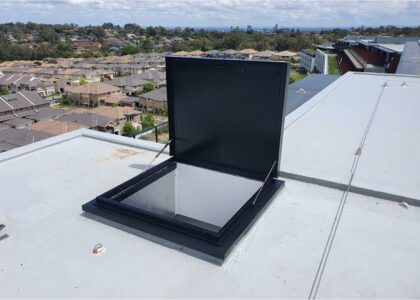
- Roof condition and potential leaks
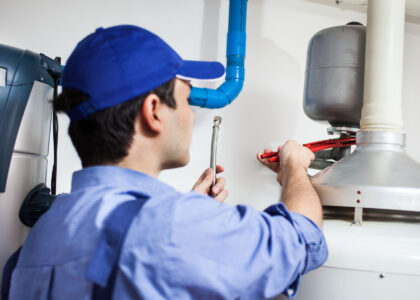
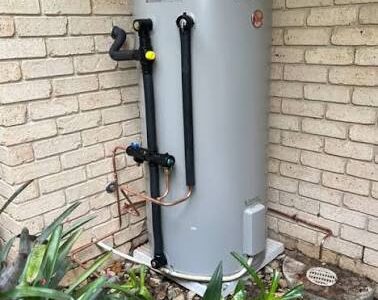
- Plumbing and drainage systems
- Electrical safety and wiring
- Interior and exterior condition
- Signs of pests or termite damage
After the inspection, you will receive a detailed report outlining any defects, safety hazards, and maintenance recommendations. This report becomes a valuable tool when deciding whether to proceed with the purchase.
When Should You Book an Inspection?
Timing is critical. First-time buyers should aim to book a building inspection before signing a contract or during the cooling-off period. For auction properties, inspections must be completed beforehand, as auction sales are usually final and unconditional.
Booking early ensures you have all the necessary information before making a financial commitment. It also allows time to seek advice or negotiate if issues are discovered.
How Inspections Help with Negotiation
One of the biggest advantages of a building inspection is the leverage it provides. If the report highlights significant defects, you can negotiate with the seller to lower the price or request repairs before settlement. In some cases, buyers may choose to walk away entirely, avoiding a poor investment.
For first-time buyers, this negotiation power can make a substantial difference, both financially and in terms of long-term satisfaction.
Choosing the Right Building Inspector
Not all inspectors offer the same level of service, so it’s important to choose carefully. Look for licensed professionals with experience in Melbourne’s property market. Reading reviews, checking qualifications, and asking for sample reports can help you find a reliable inspector.
A good inspector will provide clear explanations, detailed photos, and practical advice, ensuring you fully understand the property’s condition.
Building property inspections are a vital step for first-time buyers in Melbourne. They provide clarity, reduce risk, and offer peace of mind in what can otherwise be a stressful process. By investing in a professional inspection, you protect your finances and ensure your first home is a safe and sound investment.
In a competitive market, knowledge is power—and a thorough building inspection gives you exactly that.
Commercial building inspections in Melbourne assess structural integrity, safety compliance, and defects, helping investors make informed decisions and avoid costly repairs.