
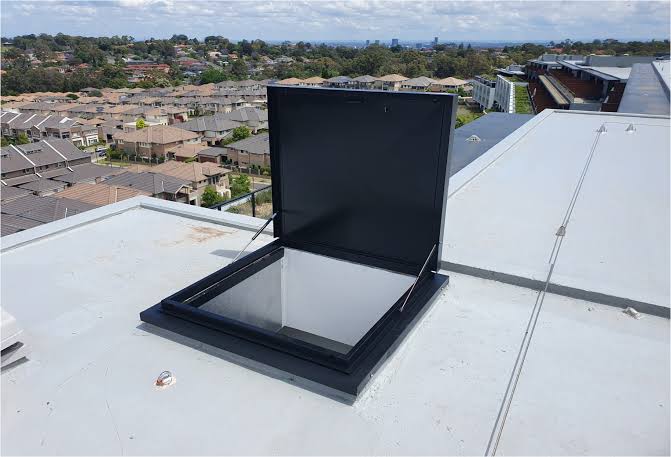
A roof hatch is one of those building features that rarely gets attention until something goes wrong. It sits quietly overhead, providing access for maintenance crews, inspectors and contractors. But like any component exposed to the elements, it wears out. Knowing when to replace your roof hatch in Melbourne can prevent leaks, protect workers and keep your building compliant with safety requirements.
Why Roof Hatches Matter
A roof hatch is more than a hole with a lid. It is a controlled entry point that connects the interior of your building to the roof, often used for servicing air conditioning, exhaust systems, solar panels and communications equipment. A well-functioning hatch keeps weather out, supports safe climbing and gives workers a secure way to move between levels. When it fails, the consequences can include water damage, energy loss and serious injury.
Sign 1: Water Leaks and Staining
Melbourne’s rain can expose weaknesses quickly. If you notice water stains on ceilings, damp patches around the opening or pooling water near the curb, your hatch seal has likely failed. Worn gaskets, cracked flashing and deteriorated curbs allow moisture to enter, which can lead to mould, damaged insulation and costly interior repairs. Repeated patching is usually a sign that it is time to replace your roof hatch in Melbourne rather than keep fixing it.
Sign 2: Rust and Corrosion
Rust on hinges, latches, frames or the lid itself indicates that protective coatings have broken down. Corrosion weakens the structure and can cause parts to seize or snap. Aluminium and galvanised steel hatches resist corrosion well, but even these can deteriorate over time in harsh conditions. Heavy rust is a safety concern and rarely worth repairing.
Sign 3: Difficulty Opening or Closing
A hatch should open smoothly and stay securely in position. If you need excessive force to lift it, or the lid slams shut or fails to hold open, the spring assist or hinges may be damaged. This is dangerous for anyone climbing through the opening, as a falling lid can cause injuries or knock a worker off balance.
Sign 4: Damaged or Missing Safety Features
Modern hatches should include features such as hold-open arms, secure latches and compatible fall protection. If your hatch lacks these, or existing components are bent, cracked or missing, safety is compromised. Older models may also fail to meet current Australian Standards, including requirements relating to access and fall prevention. Upgrading to a compliant unit helps you meet your duty of care under Victorian OHS legislation.
Sign 5: Poor Insulation and Rising Energy Costs
Older hatches often have thin or damaged insulation, allowing heat to escape in winter and enter in summer. If you notice drafts, condensation or higher energy bills, the hatch may be contributing. Replacing it with a thermally insulated model can improve building comfort and efficiency.
Sign 6: Cracks, Warping and Visible Wear
Sun, wind and temperature changes can cause lids and frames to crack or warp. Gaps around the edges, loose fasteners and sagging panels all indicate structural fatigue. These issues reduce weather resistance and can quickly worsen if ignored.
Sign 7: Failed Inspections or Outdated Compliance
If a recent safety audit has flagged your hatch, or your documentation is incomplete, replacement may be the simplest path to compliance. A modern unit with proper certification gives you peace of mind and demonstrates due diligence.
Pairing Your Hatch with Fall Protection
Replacing a hatch is an ideal time to review the overall safety of your roof access. Workers stepping out of the opening are immediately exposed to roof hazards, so fall protection should be considered at the same time. Surface mount anchors in Melbourne provide certified attachment points for harnesses and lanyards without penetrating the roof structure in the same way as traditional fixings. Installing surface mount anchors in Melbourne near the hatch allows workers to connect before stepping onto the roof, creating a safer transition. These systems must be installed by competent professionals and inspected regularly, generally every 12 months. Well-positioned surface mount anchors in Melbourne also suit roofs where drilling through the membrane is not ideal.
Choosing the Right Replacement
Select a hatch sized for your equipment and access needs, made from durable, corrosion-resistant materials and designed for Melbourne’s weather. Work with an experienced provider who can assess your roof, recommend suitable products and install them correctly. Ask about warranties, certification and ongoing inspection services.
Final Thoughts
Don’t wait for a leak or an accident to force action. If you notice any of these warning signs, it is time to replace your roof hatch in Melbourne with a safe, compliant and durable solution. Combined with certified fall protection, a new hatch protects your workers, your roof and your building for years to come.